
How to Choose the Right Sedation Option for Your Comfort and Safety

Undergoing a medical procedure can make even the calmest person anxious, but the right sedation choice can make the entire experience smooth and comfortable. Whether it’s a simple diagnostic test or a detailed examination performed by a colonoscopy specialist Singapore, understanding sedation options helps you make an informed decision that prioritizes both safety and peace of mind. Sedation isn’t a one-size-fits-all approach—factors like your health, comfort level, and type of procedure all play important roles. Below are helpful tips to guide you in choosing the right sedation option that aligns with your needs and confidence during your medical journey.
Understand the Different Sedation Levels
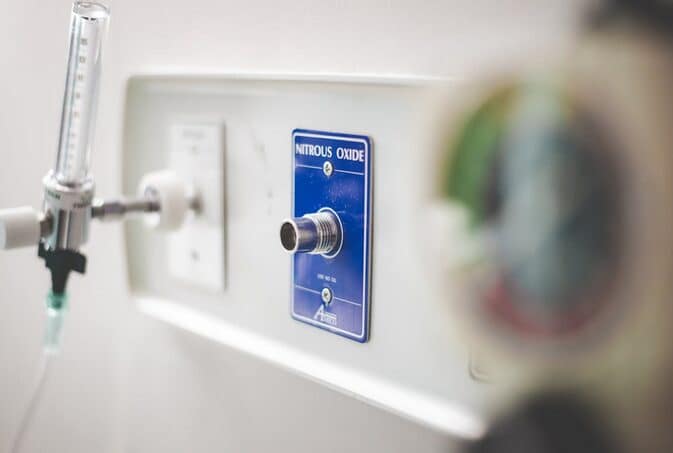
Sedation comes in varying depths, and knowing what to expect at each level can make decision-making easier. Light sedation helps you relax while staying awake, often used for brief or minimally uncomfortable procedures. Moderate sedation keeps you drowsy and calm, but you can still respond when spoken to. Deep sedation puts you in a near-sleep state, with limited awareness of your surroundings. Finally, general anesthesia completely puts you to sleep, usually reserved for lengthy or complex surgeries. Discussing these levels with your doctor allows you to choose a method that best fits your comfort threshold and the complexity of your procedure.
Evaluate Your Health and Medical History
Every individual’s body reacts differently to sedation drugs. That’s why your medical history plays a vital role in determining which method is safest. Conditions like sleep apnea, heart disease, or respiratory issues can influence how your body handles sedative medications. Allergies, past reactions to anesthesia, or ongoing medications also matter. Before your appointment, share your complete medical background honestly with your healthcare team. This helps the anesthetist or doctor customize your sedation plan safely, reducing the chances of unwanted effects. Even something as simple as fasting instructions should be followed carefully to avoid nausea or complications during recovery.
Discuss Sedation Medications and Side Effects

Different sedatives offer distinct benefits and potential drawbacks. Commonly used drugs like midazolam, fentanyl, or propofol vary in strength, duration, and recovery time. Midazolam works quickly to ease anxiety, while fentanyl helps control pain. Propofol induces a deeper sleep-like state but requires close monitoring by trained personnel. Understanding how each medication functions—and how long it remains in your system—helps you make a clear choice. Ask your doctor about side effects such as temporary drowsiness, mild confusion, or dizziness after the procedure. Knowing what to expect reduces worry and prepares you for a smoother recovery phase.
Know What to Expect During and After Sedation
Being mentally prepared for what happens before, during, and after sedation makes a big difference in your comfort level. Before the procedure, you may be asked to avoid food or drinks for a set period. Once you’re in the procedure room, the sedation medication is usually given intravenously, and your vital signs are continuously monitored. Afterward, you’ll rest in a recovery area until the medication wears off. Many people feel sleepy or slightly disoriented for a few hours. It’s wise to have someone accompany you home since driving or operating machinery after sedation can be unsafe. Recovery times differ, but most people resume normal activities within 24 hours.
Communicate Your Comfort Preferences Clearly

Your comfort level should always be part of the decision process. Some patients prefer to remain aware and communicate during the procedure, while others want complete relaxation with no memory of it. Let your healthcare team know your expectations beforehand so they can adjust the sedation dosage accordingly. If you have concerns about waking up during the procedure or feeling discomfort, address them early. Open communication helps your doctor manage the balance between adequate sedation and safety. Modern equipment and trained specialists make it possible to control sedative levels precisely, keeping you relaxed without unnecessary risk.
Choosing the right sedation option requires understanding your body, discussing your health background, and working closely with your medical team. By knowing the levels of sedation, reviewing medication types, and expressing your comfort preferences, you’ll approach your procedure with confidence and ease. A well-informed decision ensures both safety and peace of mind throughout the process. Sedation, when properly planned and administered, turns what could be a stressful experience into one that feels calm, manageable, and completely under control.…